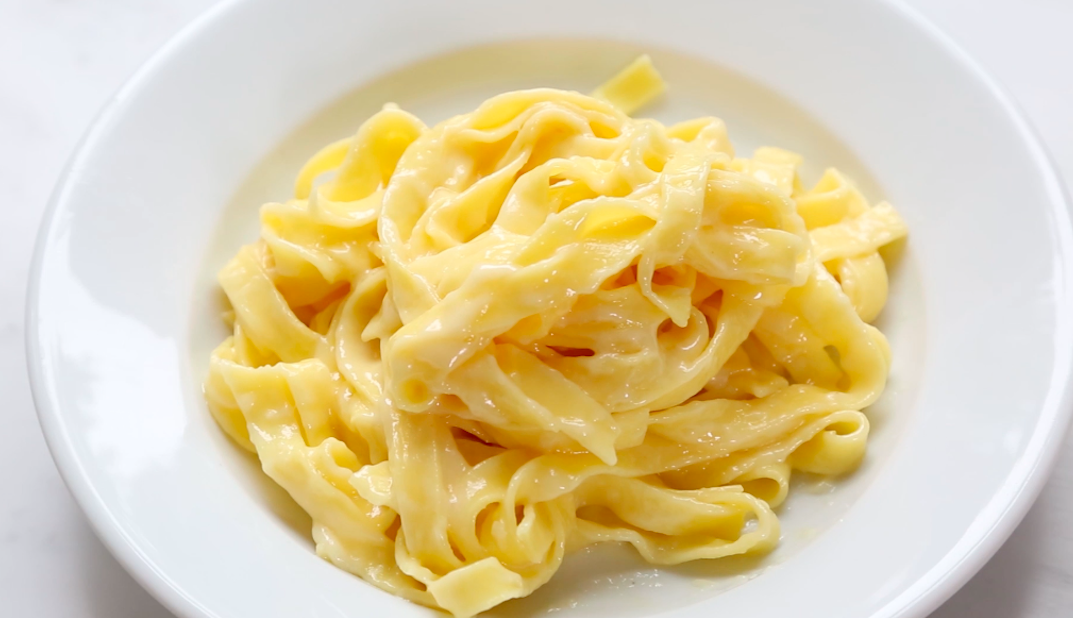
Fettuccine Alfredo: The Surprising Truth About Its Calories
Few dishes evoke such a strong sense of indulgence and, for many, guilt, as fettuccine alfredo. Its creamy, rich texture, generously coating every strand of pasta, has cemented its reputation as a decadent treat—a calorie bomb to be reserved only for special occasions or regretted immediately. But what if we told you that the common perception of this beloved Italian-American classic might be wildly off the mark? What if the truth about fettuccine alfredo's calories is far more surprising, making it a less guilty pleasure than you ever imagined?
For years, the mere mention of Alfredo sauce would conjure images of endless cream and butter, pushing calorie counts into the stratosphere. However, a properly prepared, classic fettuccine alfredo, made with traditional techniques, can clock in at a surprisingly moderate calorie count for a decent serving—sometimes as low as 420 calories. Yes, you read that right. While it's certainly not a lean meal, this revelation challenges the deeply ingrained belief that this dish is solely responsible for an immediate wardrobe malfunction. The secret lies not in deprivation, but in technique.
The Myth vs. The Reality: Unpacking Fettuccine Alfredo Calories
The widespread belief that fettuccine alfredo is inherently high in calories stems largely from modern, often Americanized versions of the dish. These recipes frequently rely on copious amounts of heavy cream to achieve richness, sometimes double or triple what a classic recipe would call for. While undeniably creamy, this approach often results in a sauce that is not only sickeningly rich but also excessively caloric, with the pasta practically swimming in a heavy white sea.
However, the original spirit of Alfredo, and indeed many authentic Italian pasta dishes, is about achieving maximal flavor and texture with minimal, high-quality ingredients. The goal is to create a sauce that lusciously clings to each strand of fettuccine, not to drown it. This fundamental difference in approach is key to understanding the calorie disparity. While the fat content in a classic fettuccine alfredo remains relatively high due to butter and Parmesan cheese, the overall calorie count is mitigated by using just the right amount of ingredients, combined with a crucial culinary technique: emulsification.
Many home cooks, and even some restaurants, overestimate the amount of cream needed, falling victim to the misconception that more cream equals better flavor or texture. In reality, an excess of cream can mute the delicate flavors of the Parmesan and butter, leading to a one-note dish. By understanding the true art of making this sauce, you unlock a world where indulgence doesn't have to mean overindulgence.
The Secret Ingredient: Emulsification, Not Excessive Cream
The real magic behind a truly superb and calorie-conscious fettuccine alfredo lies in a technique often overlooked: emulsification. This is the process where fat (from butter and cheese) and water (from the starchy pasta cooking water) are combined with vigorous stirring to create a stable, thick, and glossy sauce that clings perfectly to the pasta. It's a culinary alchemy that transforms simple ingredients into something extraordinary without needing an entire carton of cream.
Here's how it works:
- Starchy Pasta Water: As your fettuccine cooks, it releases starch into the water. This starchy water is liquid gold for your sauce. When added to the butter and Parmesan, the starch acts as a binding agent, helping to thicken and emulsify the sauce.
- Agitation: The key to a successful emulsion is constant and vigorous stirring (or tossing) as the sauce comes together with the pasta. This helps break down the fat into tiny droplets that can be suspended evenly throughout the liquid.
- Perfect Adherence: When done correctly, the sauce becomes velvety smooth and thick enough to coat every single strand of pasta evenly, creating that restaurant-quality finish. There's no excess sauce pooling at the bottom of the bowl; instead, each bite delivers a perfect balance of pasta and creamy coating.
This emulsification process dramatically reduces the need for large quantities of heavy cream, which is often the primary source of extra calories in less traditional recipes. Instead, you achieve profound richness and body through technique and the inherent qualities of the ingredients themselves. This method allows the butter and Parmesan to shine, delivering an intense flavor profile that would otherwise be dulled by an overwhelming amount of cream. To truly master this technique and elevate all your pasta dishes, learn more about Master The Classic Alfredo: Emulsify for Creamy Perfection.
Crafting Authentic Fettuccine Alfredo: Simple Ingredients, Profound Flavor
The beauty of authentic fettuccine alfredo lies in its elegant simplicity. Unlike many complex sauces, the core ingredients are few but mighty: fresh fettuccine, high-quality unsalted butter, freshly grated Parmigiano-Reggiano cheese, and that essential splash of starchy pasta water. Some versions might include a touch of garlic or a minimal amount of cream, but the focus remains on the interplay of butter and cheese.
Making fettuccine alfredo from scratch is surprisingly quick, often taking less time to prepare the sauce than it does to boil the pasta. The magic happens right in the pan:
- Cook your fettuccine until al dente, reserving a generous amount of the starchy cooking water.
- In a wide pan, melt butter over low heat. A hint of finely minced garlic can be gently sautéed here if desired, but keep it subtle.
- Add the cooked pasta directly to the pan with the butter.
- Gradually add freshly grated Parmigiano-Reggiano, tossing constantly.
- Start incorporating the reserved starchy pasta water, a ladleful at a time, while continuously tossing or stirring. This is where the emulsification occurs, creating that luxurious, glossy sauce.
The result is a sauce that is deeply flavorful, comforting, and perfectly balanced, far superior to any jarred variety you might find. Once you experience the difference of a homemade sauce, the pre-made alternatives will simply pale in comparison. Discover how easy it is to achieve this culinary feat with our guide on Homemade Fettuccine Alfredo: Quick, Easy & Better Than Jarred.
A Nod to History: The Italian Origins of Alfredo
While modern interpretations have strayed, the origins of fettuccine alfredo are firmly rooted in Rome, Italy. The story goes that Alfredo di Lelio, a Roman restaurateur, created the dish in the early 20th century to tempt his wife, Ines, back to eating after she had lost her appetite following childbirth. His simple preparation of fettuccine, butter, and Parmigiano-Reggiano—without cream—was a nourishing and comforting dish designed to be both palatable and restorative.
The dish gained popularity among American tourists who visited Alfredo's restaurant, and upon returning home, they brought the recipe with them. Over time, as it traveled across the Atlantic, adaptations occurred. The addition of heavy cream became commonplace, likely an attempt to replicate the dish's richness and texture without fully understanding the emulsification technique or perhaps to appeal to a broader American palate that favored richer, thicker sauces.
Understanding this history helps us appreciate that the true essence of Alfredo is one of elegant simplicity and refined technique, not excessive indulgence. It's a testament to how a few quality ingredients, handled with care, can create a truly memorable meal.
Enjoying Fettuccine Alfredo Responsibly
Knowing the surprising truth about fettuccine alfredo's calorie content for a classic preparation doesn't mean it's suddenly a diet food. It's still a rich dish, and portion control remains key for any meal. However, it does mean you can enjoy a delicious, restaurant-quality serving without the overwhelming guilt you might have previously associated with it. Here are a few tips to enjoy your Alfredo:
- Mind Your Portions: A "decent size serving" as referenced can be very satisfying without being overly large.
- Quality Over Quantity: Invest in good quality butter and authentic Parmigiano-Reggiano for the best flavor.
- Balance Your Meal: Pair your fettuccine alfredo with a crisp, fresh green salad or some steamed vegetables to add fiber and nutrients, making it a more complete and satisfying meal.
- Make it Homemade: Opting to make it from scratch ensures you control the ingredients and can apply the emulsification technique for a lighter yet equally rich result.
In conclusion, fettuccine alfredo is a delightful and deeply satisfying dish that has long suffered from a caloric misperception. By embracing the traditional Italian method of emulsification and prioritizing quality ingredients over sheer quantity, you can create a truly authentic and incredibly delicious meal that is surprisingly moderate in calories. So, next time you're craving that creamy, cheesy goodness, remember the surprising truth and indulge wisely. It's time to reclaim fettuccine alfredo as a cherished comfort food, enjoyed with knowledge and appreciation, not just guilt.
