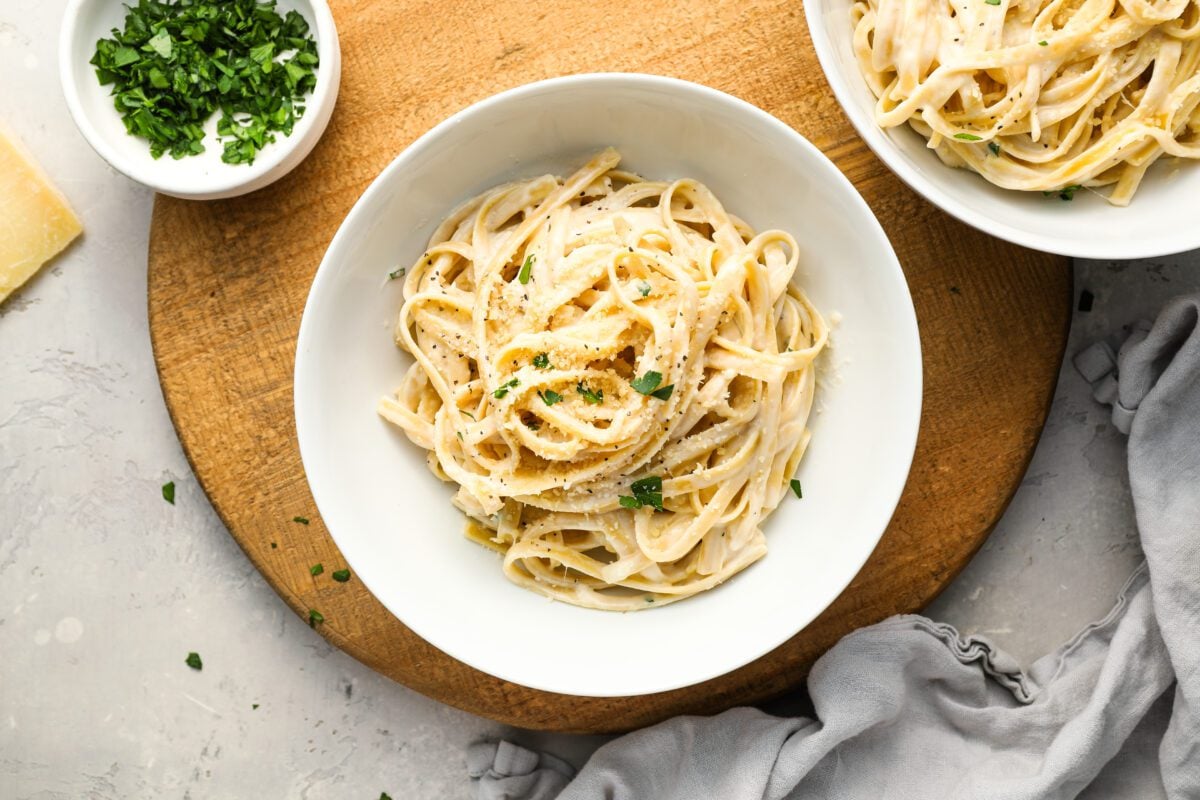
Homemade Fettuccine Alfredo: A Quick, Easy, and Undeniably Superior Classic
There are few dishes that evoke such immediate comfort and indulgence as a perfectly crafted plate of
fettuccine alfredo. With its silky, creamy sauce clinging to every strand of tender pasta, it’s a culinary hug that has captured hearts worldwide. Yet, for many, this beloved dish comes with a side of guilt, often perceived as a calorie bomb best reserved for rare restaurant splurges. What if we told you that homemade fettuccine alfredo is not only incredibly quick and easy to prepare, but also surprisingly less calorific than you might imagine, and far superior to any jarred alternative?
Forget the heavy, often cloying sauces found in supermarket aisles. The true magic of
fettuccine alfredo lies in a few simple, high-quality ingredients and a technique that transforms them into a restaurant-quality masterpiece in mere minutes. This isn't just a recipe; it's an invitation to rediscover a classic, redefine your perception of indulgence, and empower your inner chef.
The Myth Debunked: Is Fettuccine Alfredo Really a Guilty Pleasure?
For years,
fettuccine alfredo has been unfairly demonized as a nutritional villain, largely due to its rich, cream-based sauce. Visions of tubs of heavy cream, mountains of butter, and a subsequent diet disaster often deter home cooks. But here's a secret that might just change your dinner plans: a decent-sized serving of authentic, homemade
fettuccine alfredo can contain significantly fewer calories than commonly believed. Many nutrition analyses reveal that a generous portion might hover around 420 calories – a far cry from the astronomical figures often feared.
Why the misconception? Often, it’s because recipes use an excessive amount of cream, or people consume overly large restaurant portions. However, when prepared with the classic Italian method, you achieve an incredible richness and thickness without needing an entire carton of heavy cream. It’s not the most nutritious meal on the planet, sure, but it’s definitely not the diet-destroyer it's made out to be, especially when balanced within a healthy diet. To dive deeper into this fascinating discovery, you might be interested in reading
Fettuccine Alfredo: The Surprising Truth About Its Calories. This fresh perspective allows you to savor every delectable bite with less apprehension, making it a perfect candidate for a satisfying weeknight meal.
Beyond the Jar: Why Homemade Fettuccine Alfredo Reigns Supreme
If your experience with
fettuccine alfredo has been limited to the jarred variety, prepare for a revelation. The difference between a sauce from a jar and one made from scratch is like night and day. Jarred sauces often suffer from an imbalance of flavors, a greasy texture, and an array of preservatives that mute the true essence of this iconic dish. They can be overly salty, lack the fresh dairy notes, and never quite achieve that luscious, clingy consistency.
Making
alfredo sauce from scratch is surprisingly simple and swift. You need only a handful of staple ingredients: fresh fettuccine pasta, good quality butter, heavy cream, fresh garlic, and finely grated Parmesan cheese. That’s it! These humble components, when combined correctly, create a symphony of flavor and texture that is unparalleled. The sauce itself often takes less than 10 minutes to prepare – meaning it's ready even before your pasta finishes cooking. Once you experience the vibrant, cheesy, and truly creamy bliss of homemade alfredo, you'll likely never reach for a jar again. The freshness is undeniable, the control over seasoning absolute, and the pure satisfaction immeasurable.
The Secret to Restaurant-Quality Alfredo: Mastering the Emulsion
The true hallmark of exceptional
fettuccine alfredo isn't just the quality of its ingredients, but the mastery of a crucial technique:
emulsification. This is where the magic happens, transforming simple components into a thick, glossy, and intensely flavorful sauce that adheres beautifully to every strand of pasta, rather than sitting in a watery pool at the bottom of the bowl. This classic Italian method is the secret behind that elusive "restaurant quality" often sought after by home cooks.
So, what exactly is emulsification in the context of pasta sauce? It’s the process of vigorously combining the fats (from butter and cream/cheese) with the starches and water from the pasta, creating a stable, homogenous mixture. Here’s how it typically works for alfredo:
1.
Cook your pasta al dente: Crucially, reserve plenty of the starchy pasta water before draining. This liquid gold is your secret weapon.
2.
Prepare your sauce base: Sauté minced garlic in butter until fragrant. Add heavy cream and bring to a gentle simmer.
3.
Combine and emulsify: This is the key step. Add the cooked pasta directly into the sauce in the pan (or a large bowl). Immediately begin adding small splashes of the reserved pasta water, stirring vigorously and continuously, often off the heat. The starch in the pasta water helps bind the fats and liquids, creating that desirable thick, glossy, and creamy texture. Grate in fresh Parmesan cheese while stirring to melt it smoothly into the emulsion.
This technique allows you to create a surprisingly rich sauce with less cream than many overly indulgent recipes suggest, preventing it from becoming "sickeningly rich." The result is a lighter yet more flavorful sauce that truly coats the pasta. To master this essential technique and elevate all your pasta dishes, explore
Master The Classic Alfredo: Emulsify for Creamy Perfection.
Tips for Perfect Emulsification:
- Freshly Grated Parmesan: Always use a block of Parmigiano-Reggiano and grate it yourself. Pre-shredded cheese often contains anti-caking agents that can hinder smooth melting and emulsification.
- Don't Overcook the Cream: Gently heating the cream is enough; boiling it excessively can cause it to separate.
- Timing is Everything: The sauce should be made and combined with the pasta immediately. Alfredo is best served fresh and hot.
Whipping Up Your Own Classic Fettuccine Alfredo: A Simple Recipe Guide
Ready to experience the pure joy of homemade
creamy fettuccine alfredo? The process is remarkably straightforward, focusing on careful execution of a few steps rather than complex culinary maneuvers.
Essential Ingredients:
- Fettuccine Pasta: High quality makes a difference.
- Unsalted Butter: The foundation of flavor.
- Heavy Cream: Provides richness and body.
- Fresh Garlic: Minced, for aromatic depth.
- Parmigiano-Reggiano Cheese: Freshly grated is non-negotiable for flavor and texture.
- Pasta Water: The emulsifier and binder.
- Salt and Freshly Ground Black Pepper: To taste.
The Quick Steps:
- Cook the Pasta: Bring a large pot of salted water to a rolling boil. Add the fettuccine and cook according to package directions until al dente. Before draining, reserve at least 1-2 cups of the starchy pasta water.
- Prepare the Sauce Base: While the pasta cooks, melt the butter in a large skillet or wide pan over medium-low heat. Add the minced garlic and sauté gently for about 1 minute until fragrant, being careful not to brown it.
- Add Cream: Pour in the heavy cream and bring it to a very gentle simmer. Do not boil vigorously. Reduce the heat to low.
- Combine and Emulsify: Using tongs, transfer the drained fettuccine directly into the pan with the sauce. Immediately add about ¼ to ½ cup of the reserved pasta water. Begin stirring and tossing the pasta vigorously with the sauce. Off the heat, gradually add the freshly grated Parmesan cheese, continuing to toss and stir until the cheese melts and the sauce thickens into a glossy, creamy coating that clings to the pasta. Add more pasta water, tablespoon by tablespoon, if needed, to achieve the desired consistency.
- Season and Serve: Taste and adjust seasoning with salt and plenty of freshly ground black pepper. Serve immediately, garnished with a little extra Parmesan, if desired.
The beauty of this quick alfredo recipe is its efficiency. The sauce comes together in minutes, relying on the heat from the pasta and the magical properties of pasta water to create a truly spectacular result.
Historical Roots and Modern Twists: The Journey of Alfredo
The story of
fettuccine alfredo is a delightful tale of culinary evolution. The dish's origins trace back to Rome, Italy, in the early 20th century, attributed to restaurateur Alfredo di Lelio. His original creation, born to entice his wife to eat after childbirth, was a remarkably simple dish: fresh fettuccine tossed with copious amounts of butter and Parmigiano-Reggiano cheese. The richness came from the high-quality ingredients and the emulsification of butter and cheese with the pasta's starchy water, creating a luscious "sauce" without a drop of cream.
Over time, as the dish traveled across the Atlantic to America, it evolved. Cream and garlic were often added, transforming it into the richer, more robust version we commonly recognize today as
creamy fettuccine alfredo. While the modern rendition may not be "traditional" in the strictest Italian sense, it has undeniably become a beloved classic in its own right, cherished for its comforting richness. Regardless of its historical accuracy, the core principles of using quality ingredients and proper technique remain paramount for an outstanding plate of pasta.
Embrace the Delicious Simplicity
Homemade
fettuccine alfredo stands as a testament to the power of simple ingredients and smart techniques. It's a dish that shatters misconceptions about its complexity and caloric impact, revealing itself to be a quick, easy, and profoundly satisfying meal. By embracing the art of emulsification, you unlock a world of velvety, clinging sauce that elevates every bite far beyond the capabilities of any jarred variety. So, banish the guilt, dismiss the jar, and arm yourself with butter, cream, Parmesan, and a pot of boiling water. Your journey to quick, easy, and undeniably better homemade
fettuccine alfredo begins now – and your taste buds will thank you for it.