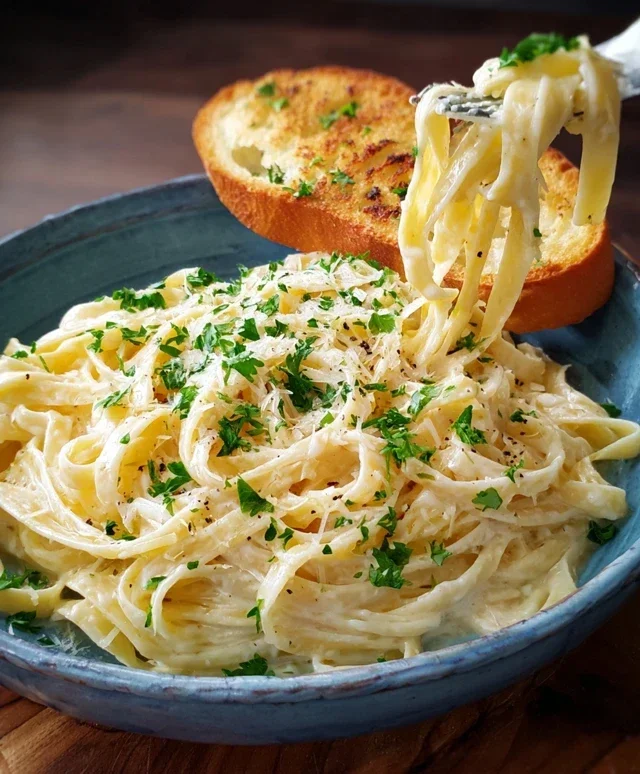
Master The Classic Alfredo: Emulsify for Creamy Perfection
Imagine a plate of pasta where every strand is sumptuously coated in a rich, velvety sauce – not swimming in a thin, watery broth, but lovingly embraced by a thick, glossy emulsion that whispers "restaurant quality." This is the promise of truly masterful
fettuccine alfredo, a dish often misunderstood but universally adored. For too long, this iconic Italian-American delight has been burdened by a reputation for being overly indulgent and notoriously unhealthy. We're here to challenge that perception and unlock the true secret to a perfect, creamy
fettuccine alfredo: the magic of emulsification.
Forget everything you thought you knew about needing tubs of cream to achieve that luscious texture. The real artistry of a classic alfredo lies in a simple yet powerful technique that transforms humble ingredients into an unforgettable culinary experience. This article will guide you through the process, debunk common myths, and empower you to create a homemade
fettuccine alfredo that's not only incredibly delicious but also surprisingly balanced.
The Enduring Appeal of Fettuccine Alfredo (and Its Surprising Truths)
Few pasta dishes evoke such a sense of comfort and indulgence as
fettuccine alfredo. Its allure is undeniable – the silky strands, the rich, cheesy aroma, the sheer satisfaction of each mouthful. Yet, for many, this beloved dish comes with a side of guilt. We're often led to believe that alfredo is a dietary disaster, loaded with calories and unhealthy fats. But what if we told you that a generously sized serving of a perfectly made classic alfredo could contain *far fewer calories* than you imagine?
It's true. Many are astonished to learn that a well-portioned, authentic
fettuccine alfredo can clock in at around 420 calories. This figure often leads to a double-take, challenging the ingrained notion that anything so delicious must be "so bad for you." While it's certainly a rich dish, and not typically considered a low-fat or low-calorie meal, it’s not the nutritional villain many perceive it to be. This surprising truth comes down to the *method* of preparation, rather than an excessive quantity of heavy cream. To understand more about this fascinating revelation, delve into
Fettuccine Alfredo: The Surprising Truth About Its Calories.
The misconception largely stems from modern adaptations that have strayed far from the dish's humble Roman origins. Legend has it that Alfredo di Lelio, a Roman restaurateur, created the original dish in the early 20th century. His version was a beautifully simple combination of freshly made fettuccine, high-quality butter, and finely grated Parmesan cheese, tossed together to create a natural, creamy coating. There was no heavy cream in sight. Over time, particularly as the dish gained popularity outside Italy, cream found its way into many recipes, often in quantities that render the dish overly heavy and indeed, sickeningly rich. Our mission is to reclaim the elegance of the original, utilizing a technique that brings back that sought-after texture without the unnecessary caloric burden.
The Art of Emulsification: Your Secret to Silky, Clinging Sauce
This is where the real magic happens. The secret to a truly sublime, restaurant-quality
fettuccine alfredo lies in mastering *emulsification*. Simply put, emulsification is the process of combining two liquids that don't ordinarily mix – in this case, the fat from the butter and cream, and the starchy water from the cooked pasta – into a stable, homogeneous sauce. The result is a sauce that is thick, glossy, and adheres perfectly to every strand of pasta, creating that quintessential luscious texture without being overly heavy or greasy.
Why is emulsification so crucial?
- Perfect Texture: Instead of a thin, runny sauce that puddles at the bottom of the plate, you get a velvety coating that clings beautifully to the pasta.
- Intense Flavor: By incorporating the starchy pasta water, you're not just adding liquid; you're adding liquid rich in flavor and starch, which helps bind the sauce and enhance its taste.
- Reduced Cream Reliance: Emulsification allows you to achieve incredible richness and thickness with far less cream than many recipes suggest, leading to a more balanced and less heavy dish. As one culinary expert noted, using double the amount of cream found in a classic emulsified recipe is "completely unnecessary" and results in an unpleasantly rich dish.
- Glossy Sheen: A properly emulsified sauce has a beautiful sheen that makes the dish visually appealing and signals its luxurious texture.
The key player in this process is the **pasta water**. As pasta cooks, it releases starch into the water. This starchy water is liquid gold for sauces. When combined with the melted butter and cream (if using a small amount) over gentle heat, and stirred continuously, the starch acts as a binding agent, helping the fat and water molecules to blend seamlessly. Adding finely grated Parmigiano-Reggiano off the heat further aids in this emulsification, creating a truly spectacular sauce. This method ensures your
homemade fettuccine alfredo is far superior to any jarred variety.
Practical Tips for Flawless Emulsification:
- Reserve Pasta Water: Always save at least a cup of your pasta cooking water before draining. It's non-negotiable!
- Gentle Heat: Ensure your sauce pan is over low to medium-low heat when combining ingredients. Too high heat can break the emulsion.
- Gradual Addition: Add the starchy pasta water a tablespoon or two at a time, stirring constantly. You'll see the sauce thicken and become glossy before your eyes.
- Constant Stirring: Agitation is key. Stirring helps the fat and water molecules integrate.
- Off-Heat Cheese: Once the pasta is coated and the sauce is thickening, remove the pan from the heat *before* adding the bulk of your Parmesan cheese. This prevents the cheese from clumping and ensures it melts into a smooth, creamy finish.
Beyond the Basics: Elevating Your Fettuccine Alfredo Experience
While emulsification is the technical heart of perfect alfredo, the quality of your ingredients and a few simple additions can truly elevate your dish from good to unforgettable.
*
Quality Ingredients Reign Supreme:
- Parmigiano-Reggiano: This is non-negotiable. Use freshly grated, authentic Parmigiano-Reggiano, not pre-shredded varieties. The flavor depth and melting properties are incomparable.
- Butter: Opt for high-quality unsalted butter. It provides a rich foundation without adding unwanted salinity.
- Fettuccine: While fresh fettuccine is divine, a good quality dried pasta works beautifully. Ensure it's cooked al dente, as it will continue to cook slightly when tossed with the hot sauce.
- Cream (if used): If your recipe calls for a touch of cream, use heavy cream or whipping cream. Remember, a little goes a long way when you master emulsification.
*
The Garlic Debate: The original Alfredo di Lelio recipe did not include garlic. However, many modern palates adore its aromatic addition. If you choose to include it, mince it finely and sauté it gently in the butter for just 30-60 seconds before adding other liquids. Be careful not to brown it, as burnt garlic can taste bitter.
*
Subtle Seasoning: Beyond salt (which your Parmesan provides a good amount of) and freshly cracked black pepper, a tiny pinch of freshly grated nutmeg is a classic Italian touch. It subtly enhances the creamy flavors without overpowering them.
*
Serving with Simplicity: A truly great
fettuccine alfredo needs little accompaniment. A simple side salad with a light vinaigrette or some steamed green vegetables provides a fresh contrast and balances the richness of the pasta.
Step-by-Step for Masterful Fettuccine Alfredo
Let’s put it all together. Here’s a simplified sequence emphasizing the emulsification technique for your best
fettuccine alfredo yet:
- Cook the Pasta: Bring a large pot of generously salted water to a rolling boil. Add your fettuccine and cook according to package directions until *just* al dente.
- Reserve Pasta Water: Before draining, scoop out at least 1-1.5 cups of the starchy pasta water and set it aside. Drain the pasta.
- Melt Butter & Prepare Base: In a wide, shallow pan (large enough to hold the pasta), melt your butter over low to medium-low heat. If using garlic, add it now and sauté briefly. If your recipe includes a small amount of cream, add it and warm gently.
- Combine Pasta & Sauce: Add the drained fettuccine directly into the pan with the butter/cream mixture.
- Emulsify with Pasta Water: Begin adding the reserved pasta water, 1-2 tablespoons at a time, to the pasta in the pan. Use tongs or a spatula to continuously toss and stir the pasta vigorously. You'll observe the sauce thickening and becoming glossy, clinging to the pasta strands. Continue adding water until the sauce reaches your desired consistency – thick enough to coat but still fluid.
- Incorporate Cheese: Remove the pan from the heat. Add the majority of your freshly grated Parmigiano-Reggiano. Continue tossing and stirring rapidly. The residual heat from the pasta and pan will melt the cheese, further emulsifying the sauce into a smooth, creamy dream.
- Taste & Season: Taste and adjust seasoning with salt, fresh black pepper, and a tiny pinch of nutmeg if desired.
- Serve Immediately: Fettuccine alfredo is best enjoyed fresh off the stove. Garnish with a little extra Parmesan and fresh parsley.
Conclusion
Creating a truly exquisite, classic
fettuccine alfredo at home is not just achievable; it's surprisingly simple and deeply rewarding. By understanding and embracing the art of emulsification, you can transform humble ingredients into a dish that rivals any restaurant creation, boasting a creamy, clinging sauce that sings with flavor and texture. Moreover, you'll demystify its supposed "unhealthiness," enjoying a rich, satisfying meal that's more balanced than its reputation suggests. So, gather your ingredients, unleash the power of pasta water, and prepare to master a timeless classic. Your journey to perfect, creamy
fettuccine alfredo starts now.